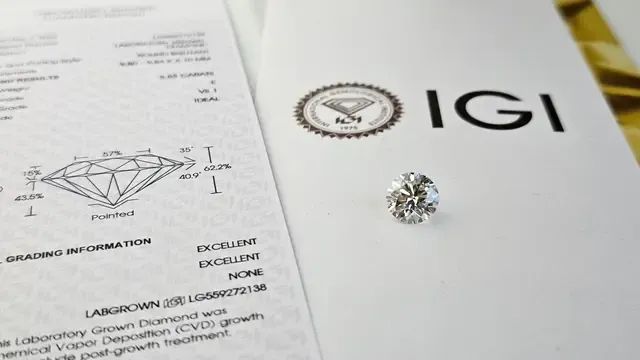
Lab Grown Diamonds
Lab grown diamonds - also known as "laboratory grown diamonds" or "lab created diamonds," are produced using modern technology.
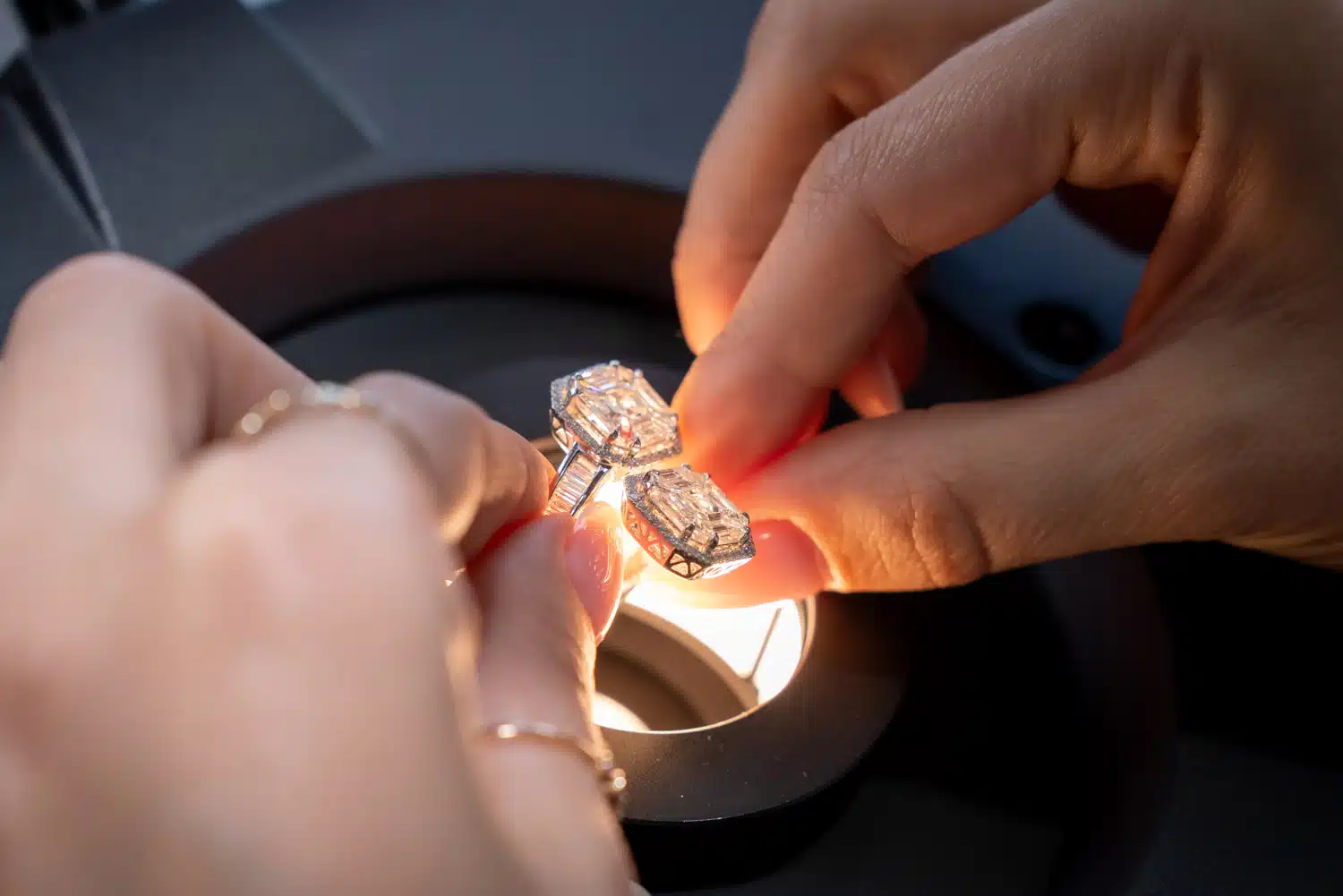
The Appeal Of Manufactured Diamonds
Gem-quality lab created diamonds are grown using two remarkably different methods, both of which take place in controlled indoor environments. Since no dredging or mining is involved in their creation, lab grown diamonds are becoming increasingly popular due earth-friendly, ethical production.
Lab grown diamonds are optically, chemically, and physically identical to natural diamonds which formed billions of years ago, deep within the earth. Once cut and polished, they are indistinguishable from their naturally occurring counterparts without examination by trained experts using sophisticated instruments. These diamonds are graded using the same 4Cs as natural diamonds: carat, color, clarity, and cut. This ensures that every lab created diamond maintains the standards of excellence associated with natural stones extracted from the earth.
Note: IGI uses the term lab grown diamonds to refer to man-made gemstones which are optically, chemically and physically identical to natural diamonds. While this is one of several terms used for legal trade in the USA, be advised that some countries disallow those terms, requiring use of “laboratory grown diamond” (unabbreviated) or a separate term like “synthetic diamond,” to clearly differentiate the product.
Lab Grown Diamonds - Topics:
Are Lab Grown Diamonds Real?
Yes. Lab grown diamonds are real; they are not simulants like CZ or Moissanite. Unlike imitations, these lab diamonds are not “fakes.” Aside from subtle carbon distinctions, they are chemically identical to natural diamonds. While natural diamonds are billions of years old, laboratory created diamonds are cultivated in just 1-4 weeks using sophisticated chemical synthesis in a factory setting. Once grown, they are polished with the same tools and brought to market in the same manner as natural diamonds. They have the same brightness, sparkle and positive beauty as nature’s creations, and modern technology has advanced enough to master production of the highest tiers of color and clarity seen in natural diamonds.
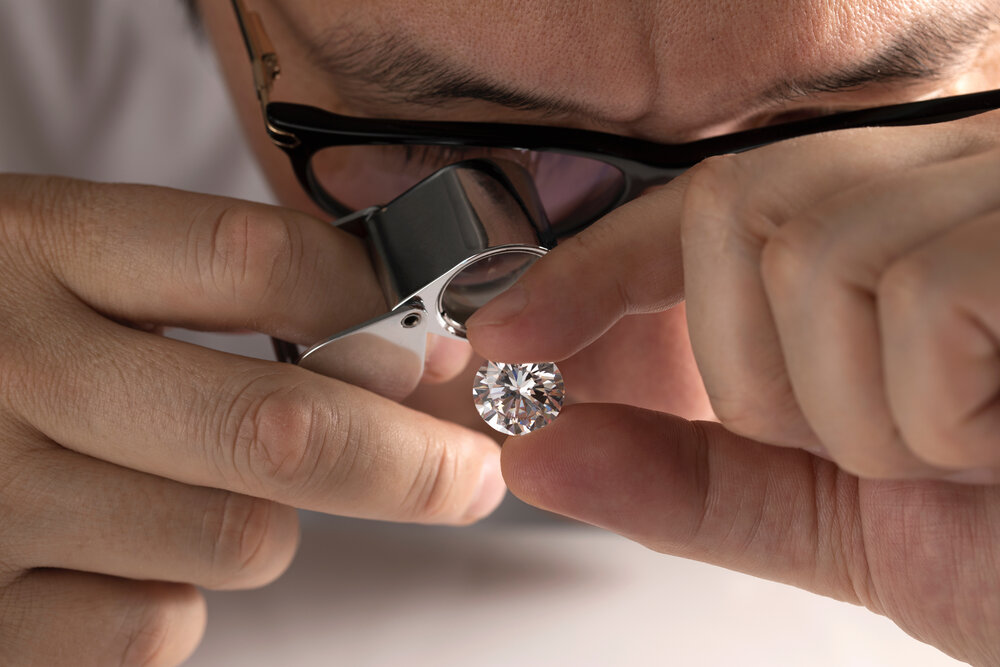
Are Lab Grown Diamonds Synthetic?
Technically yes. Lab grown diamonds are created via chemical synthesis, although the term “synthetic” can be misleading. The FTC considers terms like “lab grown diamond” more precise and less confusing. In scientific contexts, such as journals and papers, you might encounter “synthetic diamond,” but in the diamond and jewelry industries, lab grown diamonds, laboratory diamonds, lab created diamonds and lab diamonds are preferred. This choice of terminology highlights their authenticity as actual diamonds.
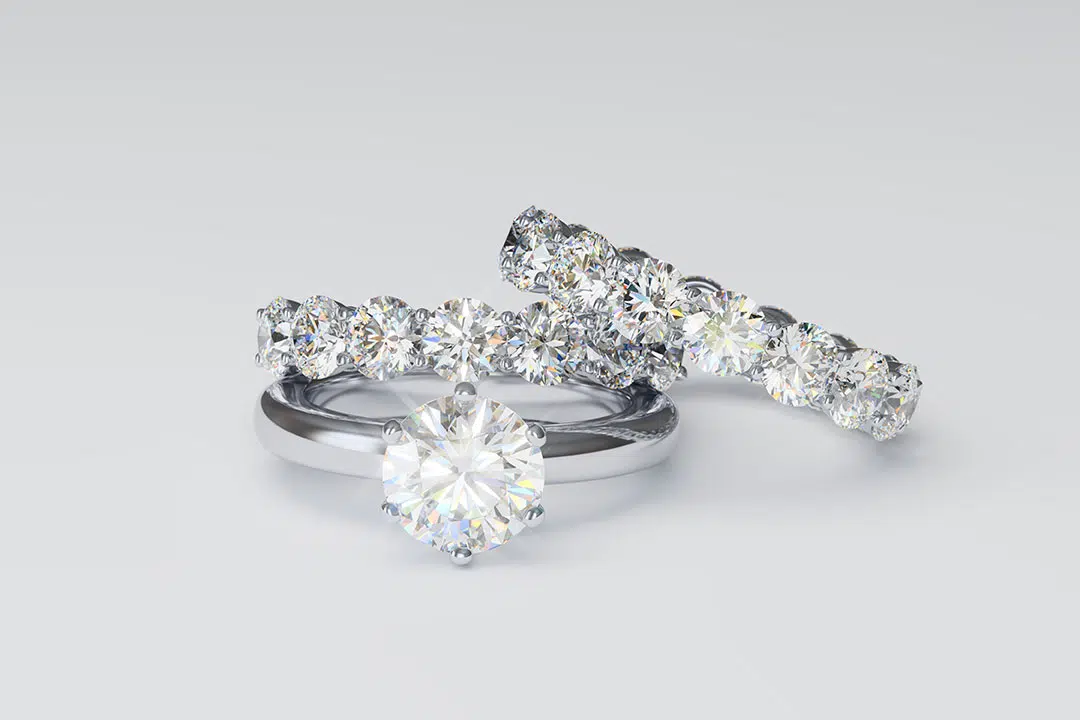
Lab Grown Diamonds vs Natural Diamonds
Just like natural diamonds, lab grown diamonds rank 10 on the Mohs hardness scale, placing them at the pinnacle of durability. While materials like corundum – which gives rise to rubies and sapphires – boast a 9 on the scale, diamonds are significantly harder, with both natural and manufactured diamonds exhibiting nearly 10 times the hardness of corundum. This positions both natural and lab grown certified diamonds as icons of resilience and eternal beauty. The intense hardness of laboratory diamonds or lab diamonds, ensures that their brightness, sparkle and symbolic appeal remain forever unchanged.
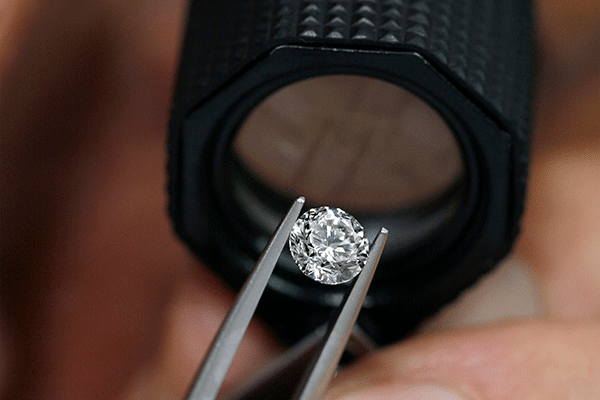
What is a lab grown diamond?
A lab grown diamond is a verified, actual diamond, just like one extracted from deep within the earth but made in a lab over a matter of weeks using one of two advanced methodologies. The first is the High-Pressure High-Temperature (HPHT) method, replicating the earth’s ancient conditions during the supercontinent cycle to forge manufactured diamonds. Alternatively, the Chemical Vapor Deposition (CVD) method involves heating hydrocarbon gas into plasma, separating carbon atoms, and slowly constructing the diamond layer by layer. Whichever process is employed, these lab produced diamonds mirror the appealing aesthetic properties of naturally occurring gems, making lab made diamonds a classy and fashionable modern option.
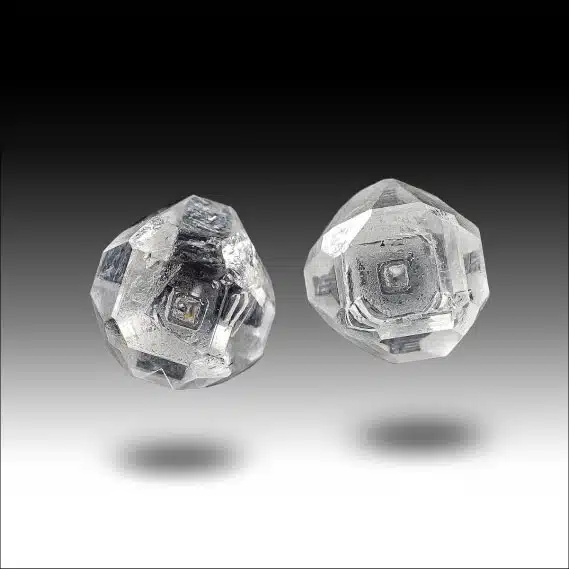
Do lab grown diamonds look the same?
Yes, laboratory created diamonds have a refractive index and optical qualities that are identical to natural diamonds. They are evaluated using the same diamond color and clarity scales as their natural counterparts. Experienced gemologists and jewelers might be able to detect nuanced characteristics indicating lab created diamond origin, but when viewed casually they are indistinguishable from natural diamonds. Without expert analysis and sophisticated instruments, these lab produced diamonds. exhibit the same brilliance as natural diamonds, making them a viable option for those who agree with their benefits.
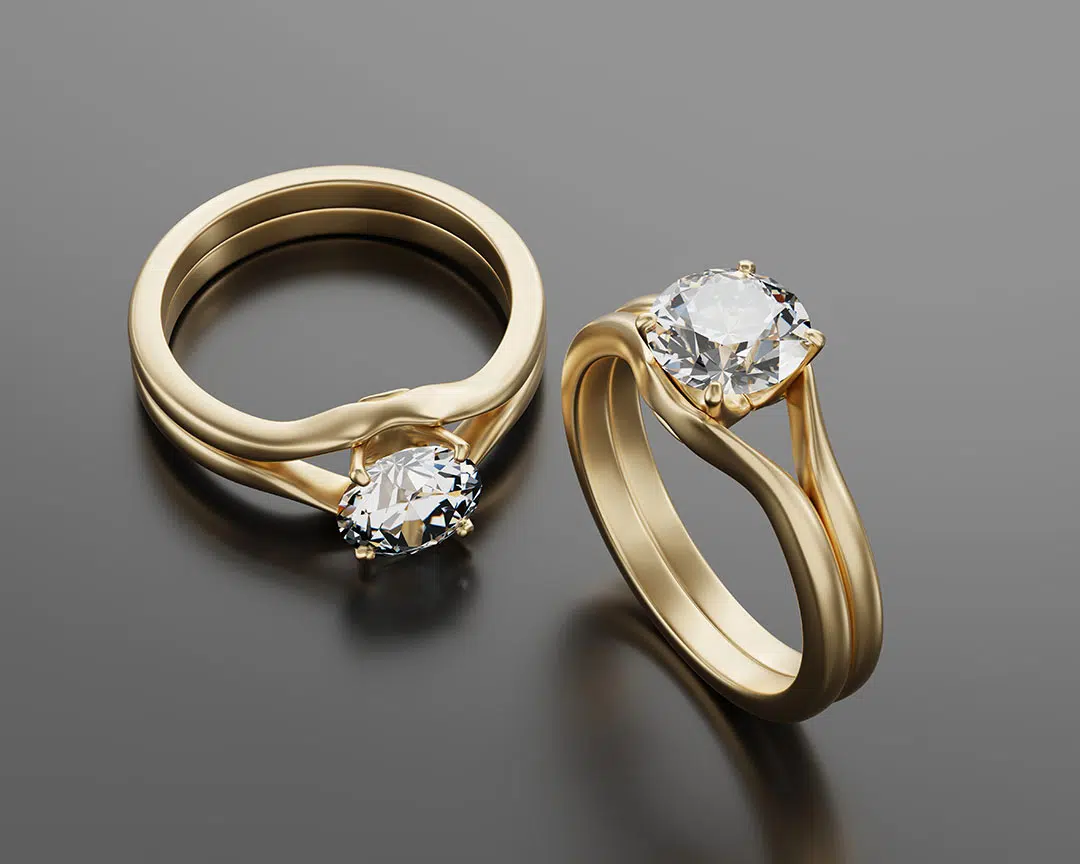
Is lab grown diamond jewelry less expensive?
Yes. Lab grown diamonds and lab diamond jewelry typically command lower prices compared to equivalent natural diamonds. As technological advances continue to refine the production processes for these manufactured diamonds, their cost-effectiveness may further improve without sacrificing quality or beauty, explaining why they are so popular.
Are lab grown diamonds sustainable?
No, most lab grown diamonds are not fully sustainable. The significant energy requirements of presses and reactors often rely on fossil fuels, so terms like “eco-friendly” and “green” do not commonly apply. However, some conscientious producers utilize renewable energy sources like wind, solar, and hydroelectric power to foster sustainability for their lab created diamonds. These practices are often endorsed by third-party certifications, ensuring authenticity for those pursuing environmentally responsible gems. Buyers interested in planet-friendly options should seek such lab produced diamonds with appropriate sustainability credentials.

See how lab diamonds are made
Lab grown diamonds are crafted in meticulously controlled lab environments using processes that either replicate natural formation conditions or create entirely new methodologies. The former duplicates the earth’s high-pressure, high-temperature conditions, while the latter constructs diamonds atom by atom using cutting-edge technology. As with mined stones, these lab created diamonds are optically, chemically and physically identical to their natural counterparts. The main distinction is the significantly faster growth rate of lab made diamonds compared to millions of years in the earth. Both natural and lab grown diamonds have identical sparkle and brilliance. See more about how lab diamonds are made in the video above, “IGI explains lab grown diamonds.”
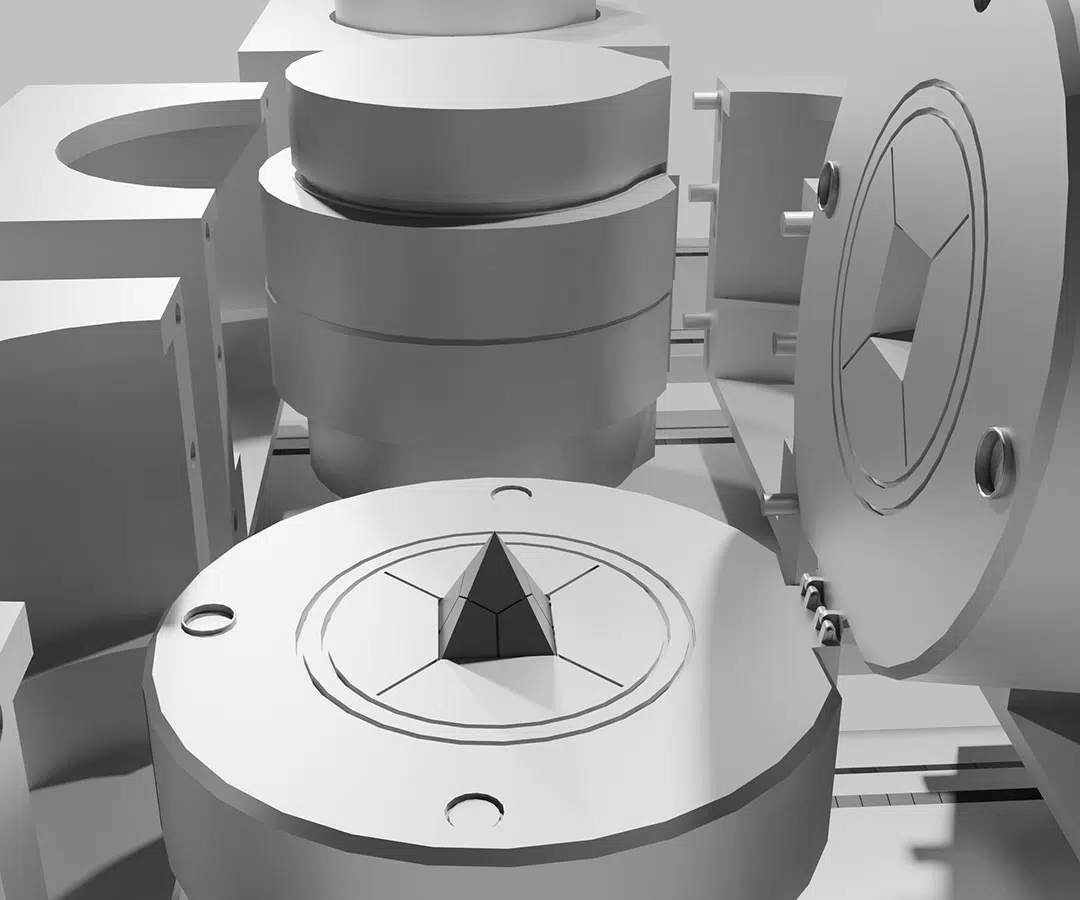
Are lab grown diamonds available in different shapes?
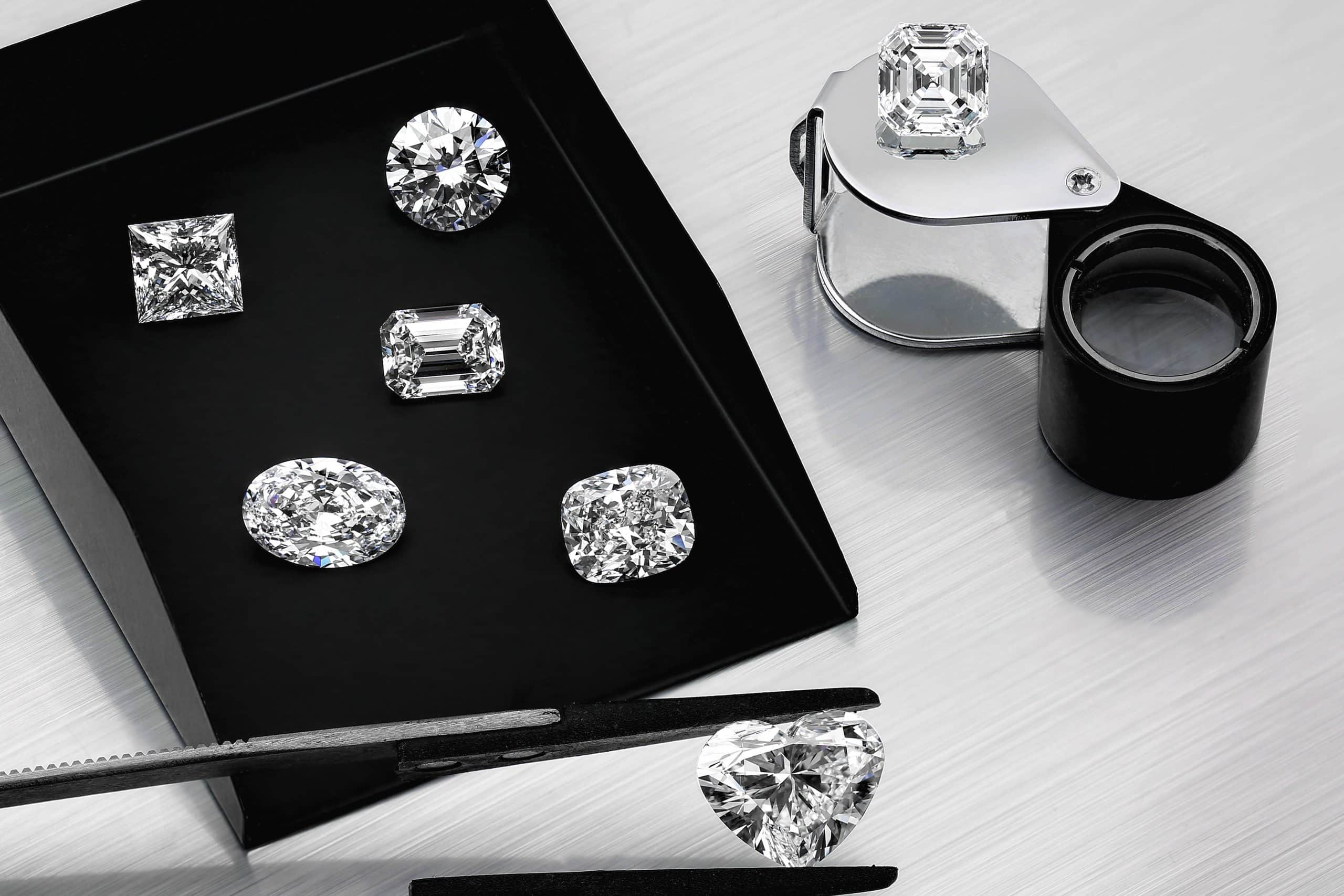
Absolutely. Lab grown diamonds are crafted in a variety of shapes, from classic rounds to a variety of common fancy shapes including oval, princess, cushion, emerald, heart, pear, radiant and more. Additionally, innovative shapes and unique faceting patterns continually emerge in the market, offering enhanced design versatility. The ability for manufacturers to efficiently grow laboratory diamonds, lab diamonds, and laboratory created diamonds lends itself to this adaptiveness, enabling new creative possibilities for custom and unique jewelry design, to serve the widest variety of tastes and occasions.
Lab Grown Diamond FAQS
-
Is a lab-grown diamond worth buying?
Lab grown diamonds are gaining popularity in markets around the world, which is logical given their affordability, beauty and ethical production.
-
Do lab-grown diamonds have any value?
The relative affordability and up-front savings of lab grown diamonds, compared to natural diamonds of same size and quality, represents value to many people.
-
Do lab-grown diamonds last?
Yes. Lab diamonds and natural diamonds are the only materials in the universe that score 10 on the Mohs hardness scale, preserving their brightness and sparkle indefinitely.
-
Is it OK to buy a lab-created diamond?
Yes, for anyone to whom their beauty and ethical production appeal.
-
Are lab-created diamonds more affordable than natural diamonds?
Yes, this is one of the most popular aspects of lab grown diamonds, they cost significantly less than their natural counterparts.
-
What are lab-produced diamonds used for?
From rings to necklaces, lab produced diamonds are used in all types of fine jewelry.
-
Do lab-made diamonds have inclusions or flaws?
Yes, but technology is consistently advancing, making the average inclusions and blemishes in lab grown diamonds increasingly more minute.
-
What is IGI lab-grown diamond certification?
IGI lab grown diamond certification verifies the quality and authenticity of these gems.
-
Are lab-grown certified diamonds ethical?
Lab grown diamonds are responsibly produced in safe, controlled conditions, reducing environmental impact. They have no historic association with conflict, making them an ethical choice for many people.
-
How can I differentiate between lab-grown diamonds and natural diamonds?
Only specialized instruments at a grading institute like IGI can decisively separate lab grown and natural diamonds. Always insist on an IGI certificate to be confident in your choice.
-
Can a jeweler detect a lab diamond?
Not decisively. Tools available to the jewelry community can identify suspected lab grown diamonds, but only a grading institute like IGI can perform the ultimate tests needed to confidently prove lab grown or natural growth.
-
Are manufactured diamonds expensive?
Manufactured diamonds are typically more affordable than their naturally mined counterparts.